Table Of Content
- How long does chemo hair loss last?
- How can a person prepare for hair loss?
- Can chemotherapy hair loss be prevented?
- Is there anything else patients should know about cancer treatment and hair loss?
- TIPS & TOOLS 6-8 MONTHS
- Appearance and texture
- You need to ejaculate HOW many times a month to help prevent prostate cancer?
- Cancer information and support
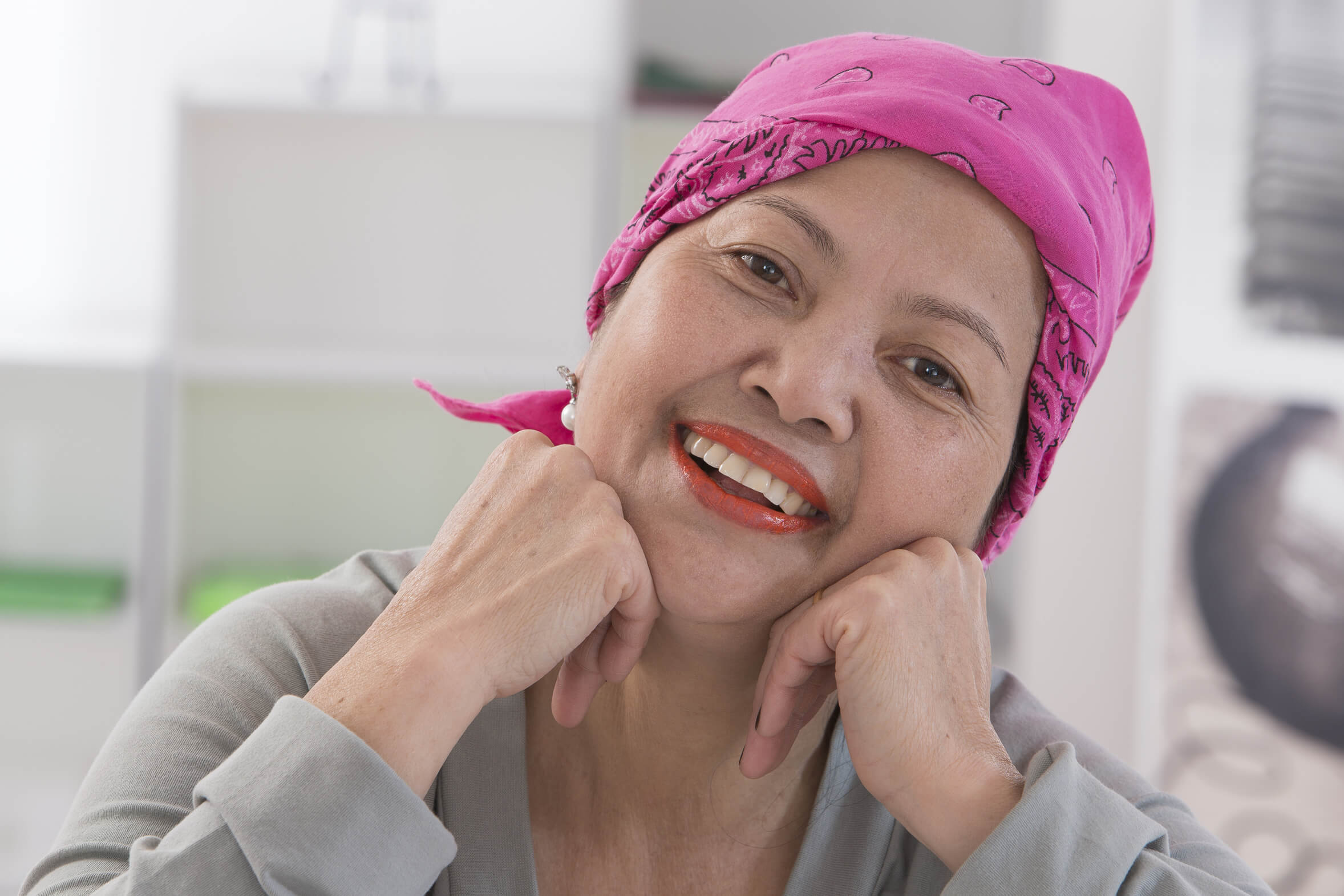
How long it takes for the hair to grow back can depend on many factors, including your genes and medications. If you’ve experienced hair loss, the cause of hair loss may affect regrowth. After you've completed chemotherapy, you can expect hair regrowth in three to six months, but it may grow back differently than before.
How long does chemo hair loss last?
This holds true not only for hair on the head but for eyelashes, eyebrows, and pubic hair. In time, the color and texture of your hair will likely return to its pre-chemo state (if you remember what that is), but until then, special care is required. Let's take a look at what you can expect not only with your hair, but your emotions during hair loss and regrowth. Minoxidil (Rogaine) is a medicine used for hair loss. Applying minoxidil to your scalp before and during chemotherapy isn't likely to prevent hair loss. However, some research shows that it may speed up your hair regrowth.
How can a person prepare for hair loss?
Mama June's Daughter Anna 'Chickadee' Cardwell, 29,Does Snack Challenge As Hair Grows Back After ... - SurvivorNet
Mama June's Daughter Anna 'Chickadee' Cardwell, 29,Does Snack Challenge As Hair Grows Back After ....
Posted: Sat, 14 Oct 2023 07:00:00 GMT [source]
Hair may start growing back at any time, but it may fall out again. It’s not currently possible to know when it might fall out or grow back. The vast majority of hair follicles on the scalp are in the anagen phase, while only 5 to 10 percent are in the telogen phase.
Can chemotherapy hair loss be prevented?
At this point in time it's difficult to discern if their will be changes in the color or curl. About a month after that, real hair starts to grow at a rate normal for each woman, and at the two month mark, many woman will have roughly an inch of hair. The time it takes to grow back a full head of hair will vary from woman to woman, and will also depend on your hairstyle (whether long or short) prior to chemotherapy. Some people say that if the chemo drugs can’t get to your scalp, some cancer cells might remain -- but that’s rarely been reported. There are side effects as well, including head and neck aches. The Patient Story contributor and breast cancer survivor, Margaret Abe Koga, tried the cold caps.
Is there anything else patients should know about cancer treatment and hair loss?

I no longer felt ashamed, or fearful of judgement, because of my diagnosis. And I wanted their support to get me through – but they needed to know what was wrong to give me that help. Although my manager eased me back in, and told members of my team why I’d been away, I still felt uncomfortable – and it seemed like other people did too.
TIPS & TOOLS 6-8 MONTHS
Many classes are offered through local chapters of the American Cancer Society. It could fall out very quickly in clumps or gradually. You'll likely notice hair on your pillow, in your hairbrush or comb, or in your sink or shower drain.
Do share side effects of your chemotherapy treatment with your doctor or oncologist during and after your chemo treatment. We should note here that some medications used for chemotherapy always cause hair loss, while others do not always cause hair loss. That’s why some people go through multiple rounds of chemotherapy and never lose any hair at all.
You need to ejaculate HOW many times a month to help prevent prostate cancer?
Some studies have shown that cooling caps might not work well on hair with tight curls and coils. Tight curls and coils might prevent the cap from getting the scalp cold enough. Getting the cap to fit close to your head might require changing how you style your hair.
Occasionally after a large dose of radiation therapy the hair may not recover completely, new growth can be patchy and there may be some permanent hair loss. Some drugs encourage hair regrowth after chemotherapy, but the results vary. Most hair regrowth drugs aim to treat hair loss resulting from causes other than chemotherapy. I’m not going to lie, it’s challenging to adjust to the ever-changing length, but I always try to remind myself that each stage passes.
You will have just enough hair to smooth to the middle, and this will disguise the lack of length on the front of your head. Pixies, bobs, and buzz cuts - the internet has tons of style ideas. So, I hope you leave this post feeling inspired by my photos as well. This will give you fun looks to try as your hair gets longer and make it feel more fun rather than a pain (though it definitely can be). I tried to treat each length as if I had a new haircut and was learning to restyle it.
It felt like people would cross the corridor or avoid me when I made a cup of tea. As I cycled through bouts of nausea and fatigue, it was hard, with so few people knowing, and also trying to protect my family from my darkest thoughts. As the top of your hair finally begins to catch up in length, you will have more styling options. In the process I did all sort of things from buying caffeine shampoo, to rubbing coconut oil on my scalp, to taking vitamin supplements.
On average, we have about 100,000 hairs on our head, and about 100 of them fall out every day. Some people claim that covering your head with ice packs can reduce the blood flow to your head and stop the chemo drugs from reaching your hair cells. After all your body has been through, it’s going to take some time for it to return to normal (or find a new normal). For your hair, this can mean temporary changes in texture or color. If you’ve always had straight hair, it might be pretty surprising or even jarring to see curly hair (sometimes called “chemo curls”) growing in.
Post-Chemo hair growth and styling can be a nightmare to navigate. The number one thought on most women’s minds during and after chemo is how and when will my hair grow back. Then, when the time does come, the hair texture and color may be unfamiliar causing a host of new challenges.
This is often known as “chemo curls” and can affect even people who previously had straight hair before cancer treatment. Full normal hair growth rates may take up to a month or more. For some, the average is hair growth six weeks after chemo. Hair loss with chemotherapy and cancer treatment is common.
You may find that you need hydrating products at this stage to combat the dryness that comes with curly hair. The hydrating shampoo and conditioner from Pureology were lifesaving products for me and I know others who have raved about Maui Moisture line. I now use this shampoo and the blonde color line from this brand. During the first 4-6 months, your hair will be brand new baby follicles that need to be cared for gently. Conditions that cause too much thyroid hormone (hyperthyroidism) or too little thyroid hormone (hypothyroidism) can lead to hair loss.
Sometimes, the change is short-lived, but in other cases, it may be permanent. There is no way to predict whose hair will change texture after chemotherapy or whether the change will be permanent. However, taking Taxotere or busulfan (Myleran) may increase the chance of hair loss being permanent. It works by cooling the scalp to reduce the likelihood of alopecia in people undergoing cancer treatment. Recovering from the side effects of cancer treatment has taken longer than Emily expected, though. She’s filled her home with Lego flowers that she’s pieced together to help her with the neuropathy in her fingers.


No comments:
Post a Comment